
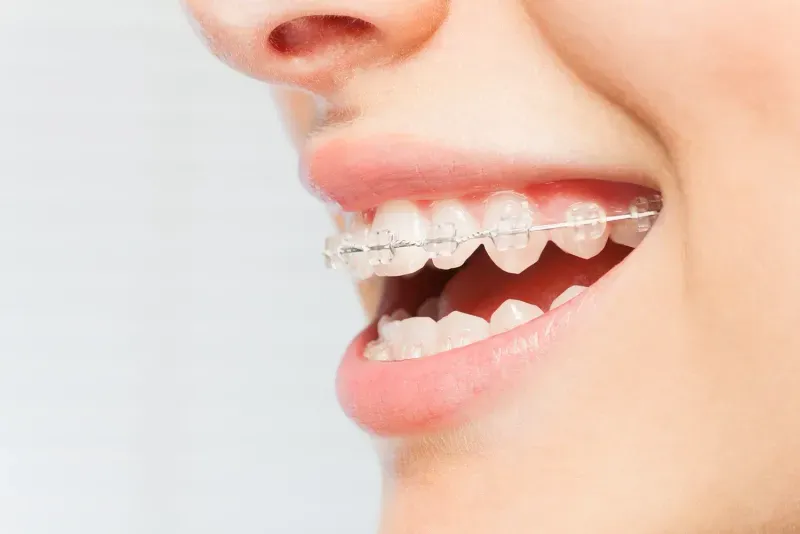
With braces, you can eat most soft foods — think pasta, eggs, yogurt, soft fruits, cooked vegetables, and tender proteins — while avoiding anything hard, sticky, or chewy that can break a bracket or bend a wire. The safer you eat, the fewer emergency visits and the smoother your treatment.
At Solana Orthodontics, we send every Solana family member home with a clear food game plan, especially for the first sore week.
What are the best foods to eat with braces?
- Dairy: yogurt, soft cheese, milk-based smoothies.
- Grains: pasta, soft bread, rice, oatmeal.
- Proteins: eggs, tender chicken, fish, beans, tofu.
- Fruits & veggies: bananas, berries, steamed or cooked vegetables, applesauce.
- Treats: pudding, ice cream (without hard mix-ins), soft baked goods.
What foods should you avoid with braces?
| Avoid | Why | Examples |
|---|---|---|
| Hard foods | Break brackets, bend wires | Nuts, ice, hard candy, popcorn kernels |
| Sticky foods | Pull off brackets, trap sugar | Caramel, taffy, gum, gummies |
| Chewy foods | Stress wires and bands | Bagels, tough bread, jerky |
| Crunchy raw foods | Best cut up or cooked | Whole apples, raw carrots, corn on the cob |
What can you eat when your braces are sore?
After placement or an adjustment, stick to the softest options for a day or two: smoothies, yogurt, mashed potatoes, soup, scrambled eggs, and pasta. Cool foods can feel especially soothing on tender teeth.
Smart habits that protect your braces
Cut foods like apples and carrots into small pieces, take corn off the cob, and skip anything you’d have to bite hard into. These small swaps prevent most broken brackets — and mean fewer braces emergencies. For holidays and parties, our guide to festive treats with braces has you covered. In our practice we often find that eating carefully also makes cleaning easier and keeps treatment on schedule. If you’re starting braces treatment, Dr. Sandra and our team will tailor the guidance to you.
What should you eat the first week with braces?
The first few days after getting braces (and after each adjustment) are the sorest, so lean on the softest foods while your teeth settle. Great choices include yogurt, smoothies, scrambled eggs, mashed potatoes, oatmeal, soup, well-cooked pasta, soft-cooked vegetables, applesauce, and pudding. Cool foods can be especially soothing on tender teeth. Think of this stretch as a short reset — within about a week the soreness fades and your normal (braces-friendly) menu opens back up. Planning a few soft meals in advance makes that first week far more pleasant.
What are good braces-friendly snacks and lunches?
Everyday meals are easy to make braces-safe with small tweaks:
- Snacks: yogurt, cheese, bananas, berries, smoothies, hummus with soft pita, or a banana with peanut butter.
- Lunches: soft sandwiches, pasta, rice bowls, soups, eggs, tender chicken or fish, and cooked vegetables.
- Fruits and veggies: enjoy them steamed, roasted, or cut into small, bite-sized pieces rather than biting into whole apples or raw carrots.
A little prep — slicing, steaming, or cutting off the cob — lets you keep eating most of what you love.
Which foods need extra care (but aren’t fully off-limits)?
Some foods aren’t banned outright but call for caution. Crunchy raw produce like apples and carrots is fine cut into small pieces. Breads and pizza are okay when soft, but be careful with tough crusts. Corn is fine cut off the cob. The idea isn’t to eliminate everything enjoyable — it’s to change how you eat certain foods so you protect your brackets and wires. When in doubt, cut it small and chew with your back teeth.
How do you eat out or travel with braces?
Dining out is very doable. Scan the menu for softer options like pasta, rice dishes, soups, eggs, fish, or tender proteins, and don’t hesitate to ask for vegetables cooked rather than raw. Carry a travel kit with a toothbrush, floss threaders, and wax so you can clean up afterward and cover any wire that starts to poke. A quick bathroom rinse and brush after a meal out keeps food from sitting on your enamel and prevents that self-conscious feeling of food stuck in your braces.
How do you keep kids eating well with braces?
For younger patients, the first week can be discouraging if favorite foods suddenly hurt. Stock the fridge with soft, appealing options ahead of the appointment, offer smoothies packed with fruit for nutrition, and reassure them the tenderness is temporary. Framing braces-friendly eating as a short adjustment rather than a long list of “no” foods keeps kids positive. In our practice we often find that families who prepare for that first week have a much smoother start to treatment overall.
Which drinks are safe with braces?
Water is the best choice throughout treatment — it rinses away food and doesn’t feed the bacteria that cause decay. Limit sugary and acidic drinks like soda, sports drinks, energy drinks, and sweetened teas, because sugar pooling around brackets dramatically raises cavity risk, and acid weakens enamel. If you do have them, use a straw and rinse with water afterward. Be cautious with very hot or very cold drinks right after an adjustment, when teeth are sensitive. Coffee and dark teas won’t harm the brackets but can stain the clear elastic ties on ceramic braces, so rinse afterward.
What if you break a bracket while eating?
It happens, and it’s usually not an emergency. If a bracket comes loose but stays on the wire, leave it in place and cover it with orthodontic wax if it’s irritating you. If it comes off entirely, save it and call us to schedule a repair. Avoid the food that caused it going forward. A broken bracket means that tooth pauses its progress until we fix it, so prompt repair keeps your treatment on schedule — another good reason to eat carefully in the first place.
Building smart eating habits that last
The goal isn’t a summer of deprivation — it’s a set of small habits that protect your investment. Cut hard produce into pieces, skip the sticky candy, chew with your back teeth, and rinse after meals. Within a couple of weeks these become second nature. In our practice we often find that patients who commit to braces-friendly eating not only avoid broken brackets but also finish with healthier teeth, because there’s simply less plaque-trapping food stuck in their braces day to day.
Enjoying food throughout your treatment
Braces don’t have to mean months of bland meals. With a few smart swaps — cutting hard foods small, choosing softer options during sore stretches, and saving sticky sweets for after treatment — you can keep eating well and protect your brackets at the same time. Most patients find that after the first week, braces-friendly eating becomes second nature. Nourishing, satisfying meals are entirely possible with braces, and taking a little care with what and how you eat keeps your treatment on track and your smile healthy.
Frequently Asked Questions
Can I chew gum with braces?
It’s best to avoid gum — it sticks to brackets and wires and can pull them loose. If your orthodontist okays sugar-free gum in your case, follow their guidance.
Can I eat pizza with braces?
Usually yes — soft, fresh pizza is fine. Be cautious with very chewy crusts or hard, crispy edges, which can stress the wires.
What can I drink with braces?
Water is ideal. Limit sugary and acidic drinks like soda and sports drinks, which raise cavity risk around brackets.